|
Do you see/hear...?
|
| Activity
|
Adults
One or more adults are seen or heard moving about or at rest.
More...
For abundance, enter the number of individual animals observed in this phenophase.
|
|
|
Adults feeding
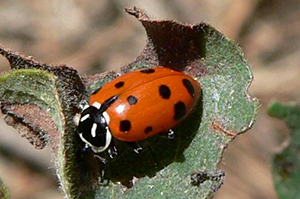
One or more adults are seen feeding. If possible, record the name of the species or substance being eaten or describe it in the comments field. For Hippodamia convergens, adults feed on aphids and other small insects, and sometimes on flower nectar or pollen.
For abundance, enter the number of individual animals observed in this phenophase.
|
| Reproduction
|
Mating
A male and female are seen coupled in a mating position, usually with the male on top of the female.
For abundance, enter the number of individual animals observed in this phenophase.
|
|
|
Egg laying
A female is seen laying eggs on a plant or other surface. If possible, record the name of the plant or describe it in the comments field. For Hippodamia convergens, eggs may be deposited on the leaves or stems of a wide varitey of plant species.
For abundance, enter the number of individual animals observed in this phenophase.
|
|
|
Eggs
One or more eggs are seen on a plant or other surface. If possible, record the name of the plant or describe it in the comments field. For Hippodamia convergens, eggs are bright yellow and typically found in upright clusters on a leaf.
For abundance, enter the number of individual animals observed in this phenophase.
|
| Development
|
Larvae
One or more larvae are seen moving about or at rest. For Hippodamia convergens, larvae have black, alligator-like bodies, eventually developing orange spots.
For abundance, enter the number of individual animals observed in this phenophase.
|
|
|
Larvae feeding
One or more larvae are seen feeding. If possible, record the name of the species or substance being eaten or describe it in the comments field. For Hippodamia convergens, larvae feed on aphids and other small insects, and sometimes on the eggs or larvae of their own species.
For abundance, enter the number of individual animals observed in this phenophase.
|
|
|
Pupae
One or more pupae are seen in a cocoon or shell (puparium). For Hippodamia convergens, pupae are orange with black spots and typically attached to leaves or plant stems.
For abundance, enter the number of individual animals observed in this phenophase.
|
|
|
Dead adults
One or more dead adults are seen.
For abundance, enter the number of individual animals observed in this phenophase.
|
|
|
Dead larvae
One or more dead larvae are seen.
For abundance, enter the number of individual animals observed in this phenophase.
|
| Method
|
Individuals in a net
One or more individuals are seen caught in a net.
For abundance, enter the number of individual animals observed in this phenophase.
|
|
|
Individuals in a trap
One or more individuals are seen caught in a trap.
For abundance, enter the number of individual animals observed in this phenophase.
|